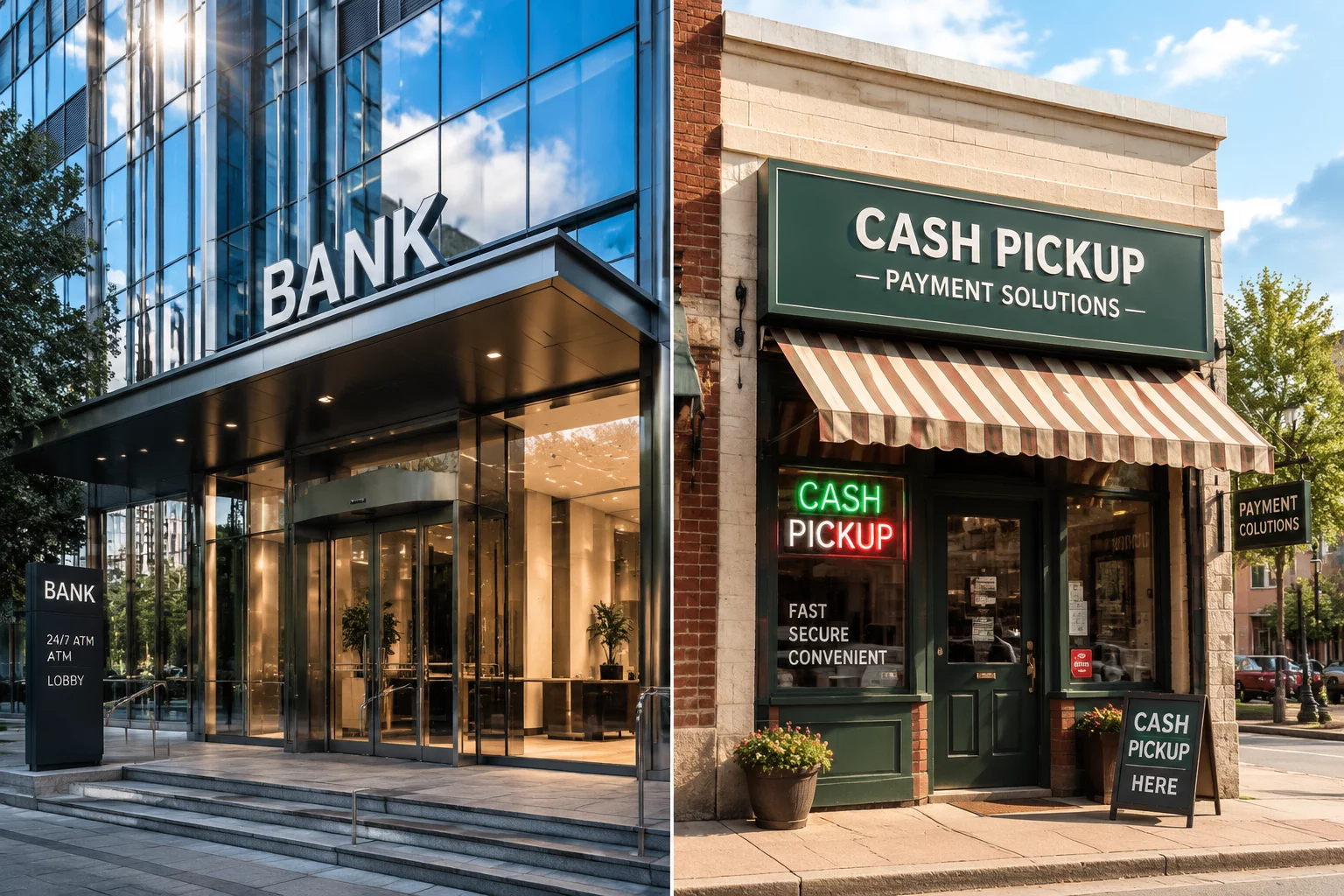
Direct Bank Deposit
Funds route directly to the recipient's institutional receiving account via local clearing networks or clearing codes (such as IBAN, SWIFT, IFSC, or CLABE).
Use practical questions to clarify recipient details, delivery method, timing, fees, confirmation, and fallback plans before an international money transfer.
Every international transfer exists to solve a specific physical need. Pinpointing the exact objective avoids misaligned delivery methods, unneeded processing delays, and recipient confusion.
Selecting the purpose clarifies whether speed, fixed receiving amounts, specific documentation, or local cash pickup takes precedence. Define the context before committing funds.
Direct allowances sent to parents, spouses, or dependents for groceries, healthcare items, and standard monthly living requirements. The primary objective is steady predictability rather than instant speed.
Related Field Protocol:
What the Recipient Actually NeedsNo single receiving channel is universally optimal. Senders often select a method based on digital convenience, while the receiver must navigate identity requirements, branch operating hours, or wallet withdrawal limitations. Review the objective characteristics of each channel before confirming payment instructions.
Funds route directly to the recipient's institutional receiving account via local clearing networks or clearing codes (such as IBAN, SWIFT, IFSC, or CLABE).
Push-to-card settlements routed via card payment networks directly into the balance attached to a recipient debit card.
Transfers deposited instantly into a telephone-linked digital wallet service commonly used across specific regional destinations.
Collection in paper currency at an authorized partner agency, currency counter, or retail partner location.
Before scheduling cash collection, confirm the recipient has safe transit and standard operating hours at the partner branch.
Ensure the sender order matches the recipient's primary government identification letter-for-letter, including maternal surnames.
For digital wallets and card balances, verify that recipient tier limits will accommodate the planned volume without automatic rejection.
Before confirming any cross-border funds instruction, verify recipient details, delivery channel specifications, and payout requirements to eliminate processing halts or unintended reversal fees.
Recipient Identity Match: Exact official name formatting against national identification standards.
Channel Feasibility: Physical pickup operating hours vs. receiving account deposit clearing windows.
Structured Fallback: Clear secondary procedures if local collection points encounter temporary downtime.
Instant educational document sent directly to your inbox. No promotional calls.
Prepare every critical parameter in advance. Eliminate recipient verification errors, pick-up misunderstandings, and avoidable delays across borders.
Standard framework for occasional individual remittances and fundamental verification.
Comprehensive planning system for families and expatriates handling regular cross-border support.
Multi-member coordination system for international households, caregivers, and student support.
Your selected package will be prepared and confirmed with zero ambiguity.
METHODOLOGY & RESEARCH PROTOCOL
TransferContext Fieldbook is not an automated engine or price comparison tool. Our independent editorial desk dissects real recipient requirements, regional collection rules, and institutional friction points so you never send blind.
Confirming whether the receiving individual has access to local transport, physical ID documents, or local collection desks before selecting bank deposit or cash pickup.
Uncovering how exchange margins and receiving-side processing terms impact the net delivered amount before submitting any transfer request.
Formulating clear secondary steps, direct communication links, and verification numbers to prevent emergency panic if delivery encounters an administrative hold.
An analytical examination of what happens when a transfer channel is picked because it is easy on the sending phone, without verifying receiver proximity, identification rules, or pickup friction.
Sender Context: Completed in 45 seconds using an app from an armchair.
ContinueReceiver Context: 2.5 hours transit, mismatched identification card spelling, closed local agency.
“Convenience at the origin means nothing if it converts into friction, delay, or physical barriers at the receiving destination.”
In this case study, the sender assumed the elderly relative had access to a regional commercial branch with an active receiving account. In reality, the relative lacked private transportation and relied entirely on an authorized neighborhood desk that operates limited business hours.
Choosing a destination route that requires digital onboarding when the receiver has a basic feature phone.
Direct voice confirmation of what credentials and physical tools the recipient currently holds in hand.
A methodical pre-flight protocol to verify receiver expectations, delivery methods, and timing constraints before initiating any cross-border remittance.
Step-by-step verification of spelling, local identifiers, legal naming conventions, and mobile formats to prevent routing delays.
Practical considerations comparing direct deposit into receiving accounts versus physical collection locations for relatives abroad.
Bridging the gap between sender assumptions and receiver realities, including transit logistics, physical identity requirements, and branch hours.