
Interactive Verification Matrix
Switch verification perspectives before confirming transfer execution.
Ensure exact spelling of full name as written on primary identification document, including middle initials and dual surnames where applicable.
Verify recipient's current municipality and ability to access physical pickup stations or receiving accounts within their local jurisdiction.
Preparing valid receiver documentation stands as the single most effective safeguard against transfer delays, compliance freezes, or counter-side collection rejections. When senders book an international transaction, the recipient will inevitably face rigorous identity screening before funds are credited to a receiving account or released across an agent counter. Overlooking a single discrepancy between the digital instruction and physical paperwork forces payment networks into administrative reviews that can stall execution for days.
Essential Identification Documents for Payout Collection
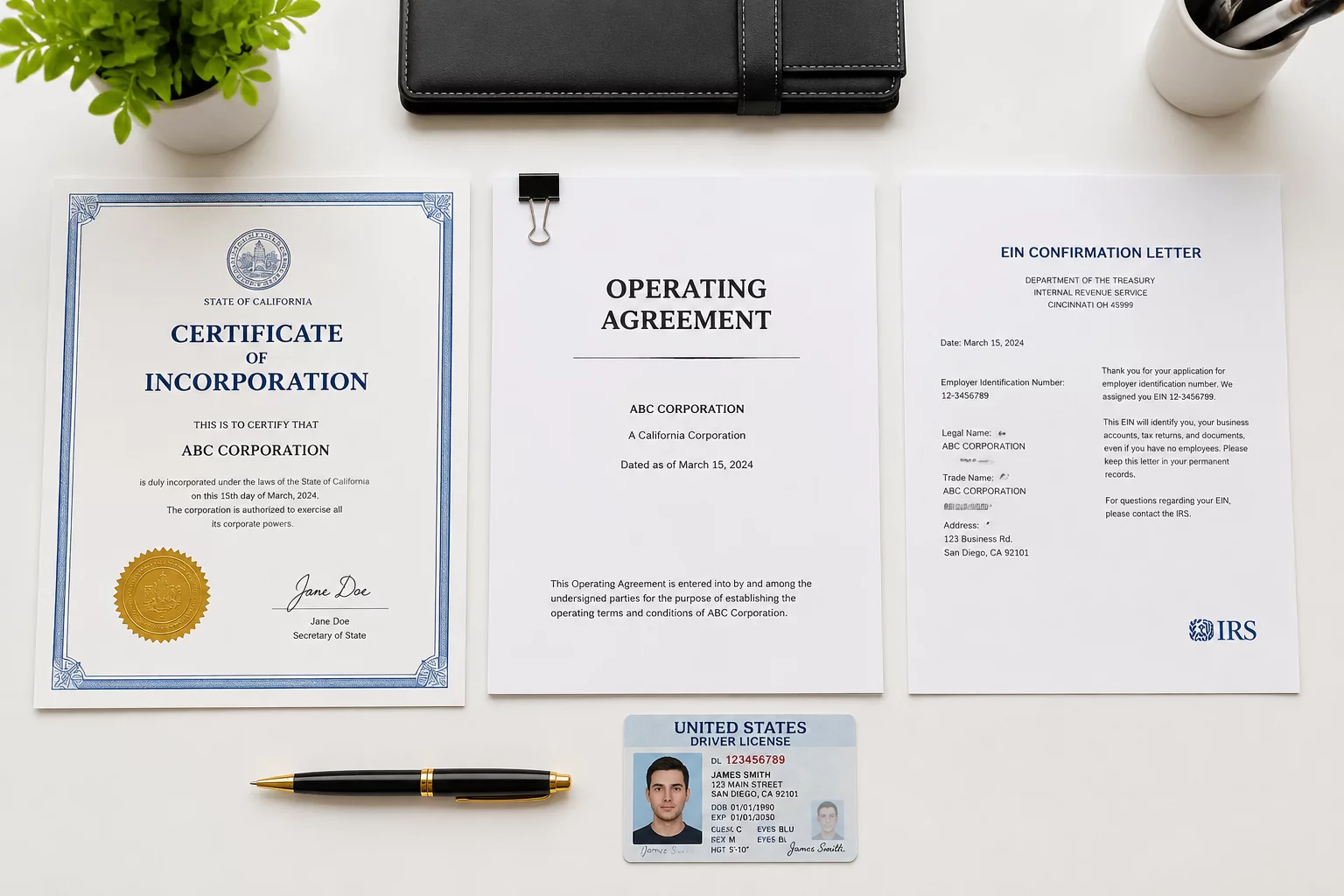
Every destination jurisdiction enforces distinct verification tiers based on local banking compliance laws and delivery mechanisms. Senders must confirm that the receiver possesses at least two matching, unexpired identity records before transmitting transfer instructions. National passports, biometric national identity cards, provincial voter registrations, and official driver credentials form the core baseline. In several regional corridors, payout desks also request recent proof of physical address, such as a municipal utility statement issued within the last ninety days, to validate residential consistency.
Discrepancies as minor as a missing hyphen, an unlisted maternal surname, or an expired residential registration routinely trigger mandatory compliance holds at the receiving station.
Four Critical Verification Checkpoints Before Transmission
To guarantee smooth settlement, both parties should run through a synchronized pre-flight inspection. Senders should never assume that informal conversational spelling aligns with the formal record maintained by financial registries.
- 01. Pre-Flight Parameter Audit: Cross-check destination institution branch code, currency clearing capability, and receiving name format.
- 02. Transfer Reference Logging: Record transaction tracking identifiers in an offline field document before closing execution screens.
- 03. Delivery Confirmation Window: Track estimated settlement duration against local banking schedules to prevent premature inquiry escalations.
Handling Name Structures, Transliteration, and Document Expiry
Complex naming conventions create frequent friction in cross-border corridors. In Latin America, omitting the maternal surname often renders the transaction uncollectible, while in Eastern Europe and South Asia, transliteration discrepancies between Cyrillic or non-Latin alphabets and Latin characters on payment portals cause automatic flag triggers. Always check the machine-readable zone of the recipient's passport to replicate the exact standardized Latin transcription. Furthermore, check the physical expiration date on the ID card; if the document expires within thirty days, clearing institutions may decline payout, necessitating a secondary credential or an updated government record before initiation.